A full night’s sleep doesn’t always change what your under-eye area looks like. Hollows can create shadows that make the eye area seem tired or droopy. Dermal fillers, including under-eye filler, can soften those depressions in suitable patients. A truly drooping eyelid, however, needs a different assessment.
Choosing well starts with understanding what’s creating the change. Keep reading to learn why the same treatment that refreshes one patient’s appearance may leave another looking puffy or largely unchanged.
Why the Fit Matters
Understanding who is not a good candidate for under-eye filler starts with the cause of the concern. These factors help explain when adding volume makes sense and when another approach deserves attention.
1. Darkness Isn’t Always a Hollow
The phrase dark circles filler can make it sound as though every dark under-eye area needs more volume. In reality, shadows, pigmentation, and visible blood vessels can create similar appearances for very different reasons.
As an under-eye hollows treatment, filler can soften the depression between the lower eyelid and cheek. This may reduce a shadow caused by that contour. It doesn’t directly remove brown pigment or erase blood vessels visible through thin skin.
You can also have a hollow and pigmentation at the same time. In that situation, filling the hollow may help one part of the concern while leaving the color behind. A useful consultation separates those issues before promising brighter-looking eyes.
Hollows can also reflect inherited facial anatomy, so age alone doesn’t determine who may benefit. A younger patient with puffiness may be less suitable than an older patient with a well-defined hollow and good tissue support.
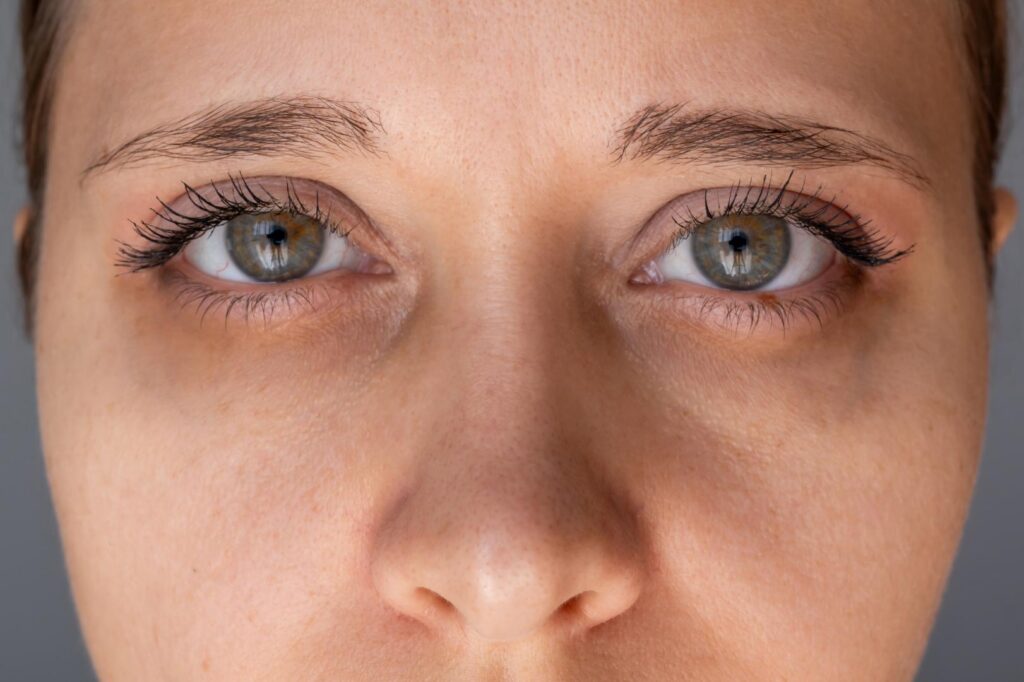
2. Puffiness Can Become More Noticeable
Existing swelling deserves attention before anyone discusses injections. Under-eye fullness that changes through the day may involve fluid retention, allergies, or another cause that adding volume won’t resolve.
A hyaluronic acid filler attracts and holds water. In patients prone to swelling, treatment may contribute to puffiness that looks heavier than the original hollow. The area’s delicate fluid drainage also makes patient selection especially important.
Tell your provider whether you wake up puffy, experience seasonal allergies, or have had prolonged swelling after previous treatment. Photos taken when the puffiness is most noticeable can help the discussion. Persistent or unexplained swelling should be evaluated before cosmetic treatment.
3. Bags Need Their Own Plan
An eye bag and a tear trough can sit right beside each other. The bag may come from fat that projects forward beneath the lower eyelid, while the hollow below it creates a contrasting shadow.
Tear trough filler can sometimes soften that transition when the anatomy is favorable. It cannot remove or reposition the protruding fat. Trying to disguise a prominent bag with more filler can create a fuller-looking under-eye area.
Festoons, which are pouch-like folds or swelling over the upper cheeks, introduce another challenge. They don’t behave like straightforward hollows and may need a different treatment strategy. Patients with significant bags or festoons deserve a careful assessment, not an automatic injection plan.
4. Thin Skin Shows Small Irregularities
The skin beneath the eyes is thin enough to reveal details that might be less noticeable elsewhere. This makes product choice, placement, and the condition of the surrounding tissue especially important.
Filler placed too superficially can become visible or create unevenness. A blue-gray discoloration, often called the Tyndall effect, may also develop. The result can resemble another dark circle, which is understandably frustrating when brightness was the goal.
Thin skin doesn’t automatically rule out treatment. However, very delicate skin, limited tissue coverage, and existing irregularities can narrow the margin for a pleasing result. Your provider should explain whether the likely improvement is worth those limitations.
5. Loose Skin Doesn’t Disappear
Extra skin and loss of volume are different problems, even when they appear together. Adding filler doesn’t remove loose eyelid skin or reliably tighten a crepey surface.
If the main concern is a fold of excess skin, volume alone may make the area look heavier. Pronounced laxity may call for an assessment by an eyelid specialist. Other treatments may be considered when texture, rather than a hollow, is the main issue.
True eyelid drooping, called ptosis, involves the upper eyelid sitting lower than it should. Under-eye injections don’t correct that problem. An eye specialist can assess the cause and discuss appropriate treatment instead of treating it as ordinary tired-looking skin.
6. The Cheeks Affect the Picture
The lower eyelid and upper cheek form a connected contour. Changes in cheek volume or underlying facial structure can make the transition between them look more abrupt.
Focusing only on the visible groove may overlook that relationship. A provider should assess the cheek, eyelid position, skin, and facial proportions together. In selected patients, addressing cheek volume may improve the appearance of the transition without directly filling every part of the under-eye area.
This doesn’t mean everyone needs cheek filler. It means the recommendation should explain where the concern originates. Ask why a proposed treatment area matters to your goal and what improvement is realistically expected.
7. Previous Filler Changes the Starting Point
Patients asking, “Why did my under-eye filler look bad?” deserve an assessment before another treatment. Persistent swelling, uneven contours, or residual product may be contributing to what they see.
Bring the product name, treatment dates, and any available records from previous injections. Your provider needs that history to decide whether the area should be treated, observed, or corrected first. Adding more filler without understanding the existing result can compound the problem.
Some unwanted HA filler can be treated with hyaluronidase, an enzyme that breaks it down. More than one treatment may be needed, and dissolution has its own risks. It doesn’t guarantee an immediate or exact return to your previous appearance.
8. Health and Timing Matter
Good anatomy alone doesn’t establish that treatment is appropriate today. Your provider also needs to review medical conditions, allergies, medications, and recent procedures.
Previous eyelid surgery also matters because it can change local anatomy and drainage. Share that history even if the procedure was years ago and healed well. Include any problems you experienced during recovery.
Active infection or inflammation in the treatment area requires postponement. A history of anaphylaxis, multiple severe allergies, or an allergy to a product ingredient can rule out particular fillers. Safety during pregnancy and breastfeeding hasn’t been established.
Medicines that affect bleeding can increase bruising risk. Don’t stop prescribed blood thinners or other medicines on your own for an appointment. Discuss them with the prescribing clinician and your injector so cosmetic plans don’t interfere with necessary care.
9. The Plan Matters, Too
Even a suitable patient can have a disappointing result if the product, amount, or placement doesn’t suit the area. Different HA fillers have different properties, and choosing a product for the lips or cheeks doesn’t automatically make it suitable beneath the eyes. Both sides don’t necessarily need identical amounts.
The aim is a smooth transition that still looks natural. Trying to flatten every tiny contour may require more volume than the tissue can comfortably accommodate. A conservative plan may involve treating less initially and reassessing after swelling settles.
Ask how your provider decides when enough is enough. You should understand the intended change before treatment begins, along with which remaining features are normal parts of your anatomy.
Choose the Better Match
Comparing under-eye filler vs. other treatments for dark circles starts with identifying what needs to change. A different recommendation can be a better fit for the concern you actually have.
Pigmentation may call for targeted skin care, sun protection, or a carefully selected procedure. The choice depends on the cause and your skin type. The eye area needs particular care, so stronger products or treatments shouldn’t be chosen simply because they promise faster results.
Prominent fat bags or excess eyelid skin may warrant a consultation about blepharoplasty. This surgery can remove or reposition tissue in ways an injectable cannot. Meanwhile, recurrent allergy-related puffiness needs attention to its trigger before any discussion of cosmetic volume.
Sometimes the most useful plan addresses more than one cause over time. Your provider should explain the purpose of each recommendation and whether it can wait. You don’t have to book several treatments to make the consultation worthwhile.
Make the Consultation Count
A strong assessment should leave you understanding what filler could improve and what would remain. Patients with a true hollow, adequate tissue coverage, and little baseline swelling may be better candidates.
Expect your provider to examine the area in consistent lighting and assess existing asymmetry. Discuss what you notice in ordinary life, rather than asking to recreate a filtered photograph. A softer shadow can be a realistic goal; perfectly smooth skin in every expression and light is not.
Some HA products have FDA approval specifically for under-eye hollows. Approval is product-specific, so ask which filler is proposed and whether the planned use matches its labeling. Also ask about follow-up and how the practice manages complications.

Leave Room for Safety
Understanding under-eye filler risks helps you make an informed decision. Temporary bruising, swelling, and tenderness can occur, while persistent puffiness, lumps, or unevenness may need reassessment.
Rare vascular complications can cause tissue injury, vision loss, or stroke. Any vision changes, unusual pain, or skin turning pale, gray, or blue after injection all require immediate medical attention. Don’t wait for a scheduled follow-up.
Allow time for recovery before an important event. Follow your provider’s aftercare instructions and report changes that concern you. Early swelling can affect the appearance, so routine touch-up decisions should wait until the area has been properly reassessed.
Get Clarity at Infinite Youth Medical Spa
Your next step can be a conversation about what your eyes actually need. At Infinite Youth Medical Spa in Minnetonka, MN, we offer under-eye filler and complimentary consultations focused on your features, goals, and treatment options.
We can discuss whether dermal fillers, including under-eye filler, suit your concerns and explain the reasoning behind our recommendations. Schedule a consultation to explore a plan that makes sense for your face.