Summer may be over, but your skin can keep the receipts. Brown spots that seem darker than they did in spring, uneven tone, rough texture, and fine lines can all become more noticeable after months of outdoor activities. When skincare alone isn’t making enough of a difference, a professional laser treatment can take a more targeted approach to visible sun damage.
At Infinite Youth Medical Spa, options such as MOXI™ and BBL HERO™ allow treatment to be matched to concerns ranging from pigmentation and uneven tone to texture and signs of photoaging. The cooler months can also make it easier to plan around sun exposure and recovery.
Continue reading to learn how these technologies address sun-stressed skin and why this season can be a practical time to begin.
How Lasers Refresh Sun-Damaged Skin
Sun damage isn’t limited to one brown spot or one fine line. It can affect pigment, texture, collagen, redness, and overall skin quality, which is why choosing the right technology matters just as much as deciding when to have treatment.
1. Target the Spots Summer Left Behind
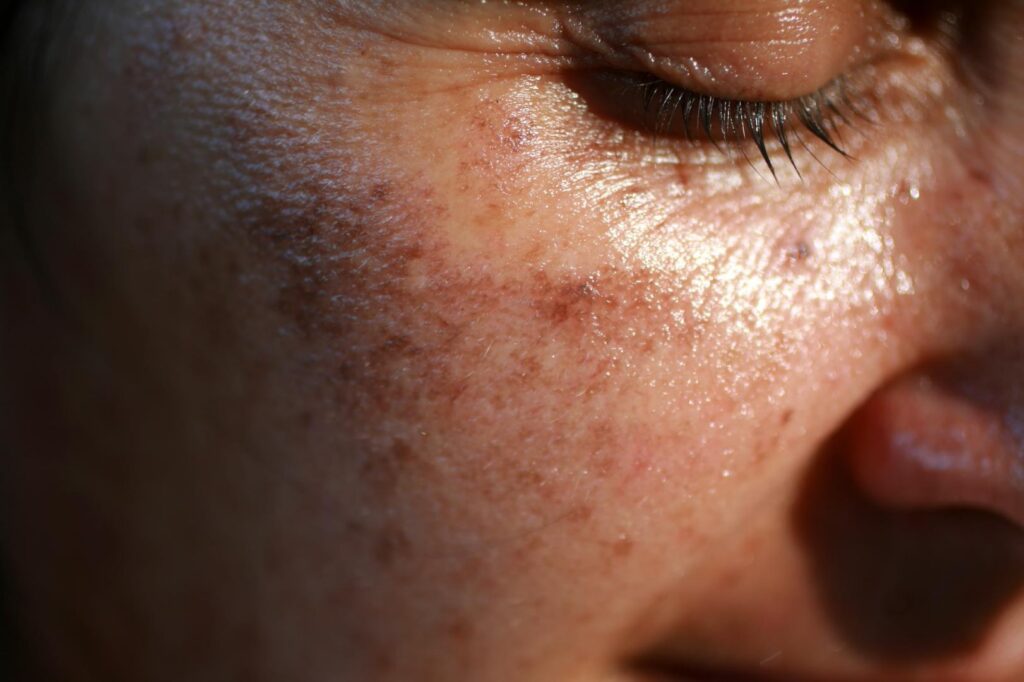
One of the most obvious signs of accumulated sun exposure is pigmentation. Freckles can become darker, age spots may stand out more, and previously even-looking skin can start to appear patchy.
Patients researching how to repair skin damage from sun often begin with brightening creams. Home skincare certainly has a role, but some pigmentation may benefit from professional treatment when topical products aren’t providing the desired improvement.
BBL, or BroadBand Light, is one option available at Infinite Youth Medical Spa. The treatment uses light energy to address visible reds and browns in the skin, including concerns such as age spots and uneven tone.
Rather than resurfacing the skin in exactly the same way as a fractional laser, BBL targets selected chromophores within the skin. This makes it particularly relevant when discoloration is one of the primary concerns.
Not every brown mark should automatically be treated, however. New, changing, irregular, or otherwise concerning spots should be medically evaluated before cosmetic treatment.
2. Brighten an Uneven Complexion
Sun damage doesn’t always create one obvious spot you can point to. Sometimes the entire complexion simply starts looking less clear. You might notice that your face looks dull even after exfoliating. Makeup may not sit as smoothly, and subtle areas of discoloration can make the overall tone look inconsistent.
This is where the MOXI laser can enter the conversation. MOXI by Sciton is a fractionated, non-ablative laser designed as a gentler approach to resurfacing. Instead of removing the entire surface layer, fractional laser energy creates controlled microscopic treatment zones while leaving surrounding tissue available to support healing.
The treatment can help improve the appearance of skin tone, color, and texture while supporting a brighter-looking complexion. For patients who don’t necessarily need aggressive resurfacing, that gentler approach can be appealing. You can address early signs of accumulated damage without automatically choosing the most intensive laser available.
3. Improve Rough, Sun-Stressed Texture
Touch your cheek after a long summer and you may notice changes that aren’t as obvious in the mirror. The surface can feel rougher, drier, or less refined. UV exposure contributes to photoaging over time, and texture changes can become part of that picture.
A fractional laser treatment for sun damage can address more than visible pigment. By creating controlled treatment zones, MOXI encourages skin renewal and can improve the appearance of uneven texture.
That doesn’t mean the skin becomes perfectly smooth overnight. The treatment initiates a process, and your complexion needs time to respond. Mild redness, warmth, or a rough sandpaper-like feeling may occur during the early recovery period depending on your treatment.
As the skin renews, texture can gradually look more polished. This makes laser resurfacing especially useful when your concern isn’t simply “I have a brown spot,” but rather, “My skin doesn’t look or feel as fresh as it used to.”
4. Address Visible Hyperpigmentation
Pigmentation is complicated because different conditions can look similar to an untrained eye. Sun spots, post-inflammatory pigmentation, freckles, and melasma don’t necessarily respond to treatment in the same way.
A laser for hyperpigmentation should therefore be selected only after the type of discoloration has been evaluated. BBL can target visible brown pigment, while MOXI can support improvement in uneven tone as part of fractional resurfacing. The right option depends on what is causing the discoloration, your skin characteristics, and your history with pigmentation.
Melasma deserves particular caution. Although the source information for MOXI identifies it as an option for patients with melasma, melasma is a complex, recurrent pigment condition. Heat, inflammation, UV exposure, visible light, and hormonal influences can all play roles, and energy-based treatment needs to be selected thoughtfully.
No laser should be presented as a guaranteed cure for melasma. For some patients, a broader strategy involving sun protection, appropriate skincare, and carefully selected professional treatments may make more sense than relying on one device.
5. Support Collagen Remodeling
Pigmentation may get most of the attention after summer, but sunlight also affects the structural components responsible for keeping skin firm and resilient. Repeated UV exposure contributes to collagen breakdown and visible photoaging. Over time, fine lines can become easier to see and skin may lose some of its smooth, youthful appearance.
MOXI creates fractional laser energy within the skin, stimulating a healing response that supports collagen remodeling. That makes it useful when the goal extends beyond color correction.
Patients may want to improve early fine lines, texture, and overall skin quality while also addressing visible signs of sun exposure. The results aren’t comparable to surgically tightening loose skin, nor should they be expected to erase deep wrinkles.
Think of it as rejuvenation rather than reconstruction. Your skin still looks like your skin. The goal is for it to appear smoother, brighter, and more refreshed as renewal takes place.
6. Treat Reds Along With Browns
Summer skin changes aren’t always brown. Some patients become more aware of redness, visible vessels, or an uneven mixture of red and pigmented areas. This is an area where BBL HERO can be particularly relevant.
BroadBand Light uses light energy to target reds and browns within the skin. At Infinite Youth Medical Spa, BBL is used for concerns that include rosacea, broken capillaries, age spots, and uneven texture, among other appropriate indications.
This versatility can be helpful when your complexion doesn’t fit neatly into one category. Maybe you have brown sun spots across the cheeks but also persistent redness around the nose. Instead of assuming both concerns need identical treatment, a provider can evaluate which wavelengths or technologies are appropriate.
That distinction is one reason consultation matters. A treatment plan should be built around what is actually happening in your skin rather than whichever device name you’ve seen most often online.
7. Choose a Gentler Resurfacing Option
The word “resurfacing” can sound intimidating. People often picture an aggressive procedure followed by weeks of hiding at home. Not every resurfacing treatment works that way.
MOXI is a non-ablative fractional laser designed to offer a gentler approach with relatively limited downtime. Because the treatment is fractional, energy is delivered in a controlled pattern rather than removing the entire skin surface.
That can make it a practical skin treatment for sun damage for patients who want improvement but don’t have the schedule or need for more aggressive resurfacing. Of course, “little downtime” doesn’t mean nothing happens afterward.
Your skin may look red or feel warm initially. A dry or rough texture and temporary darkening of pigment can also occur as treated areas progress through recovery. Your provider can explain what to expect based on the settings used for your skin.
Choosing a gentler treatment is about matching the intensity to your needs, not simply avoiding recovery at all costs.

8. Give Healing Skin Less Sun to Fight
So why does the cooler season receive so much attention for laser treatments? Sun management is a major reason. After laser or light-based treatment, protecting the skin from UV exposure becomes particularly important. Patients who spend summer weekends at pools, beaches, outdoor events, or on vacation may find those restrictions inconvenient.
Fall and winter can make them easier to follow. The days become shorter, outdoor plans often decrease, and more of the body is naturally covered by clothing. That doesn’t mean sunscreen becomes optional. UV radiation is still present on cool and cloudy days.
The seasonal advantage is behavioral rather than magical. If you’re less likely to spend six hours outside immediately after treatment, protecting recovering skin may simply fit your lifestyle better.
Let the Cooler Months Work for You
Summer may have brought the pigmentation, rough texture, and uneven tone into focus, but the cooler months offer a practical opportunity to address them. With technologies such as MOXI and BBL HERO, a personalized laser plan can target different aspects of visible sun damage while respecting your skin type, recovery needs, and goals.
At Infinite Youth Medical Spa in Minnetonka, MN, patients can explore which approach fits the changes they’re actually seeing rather than treating every concern the same way. Starting during a season with less intense outdoor activity can also give your skin the time and protection it needs to recover, renew, and head into the months ahead looking refreshed.